
Colombo Court Blog Colombo
Discovering Colombo Beyond the Usual Tourist Attractions
Colombo rewards a slower look. A guide to its temples, architecture, markets and coastal railway, and the neighbourhoods behind the usual tourist trail.
Colombo is a city that reveals itself gradually. The first impression is traffic and heat, a skyline of cranes and towers. The second, if you give it a little longer, is a layered place where Buddhist temples, colonial arcades, Muslim bazaars and the work of one great architect sit within a short ride of each other.
Most visitors treat it as a gateway, a night before the beaches or the hills. This guide is for those who would like to see what is behind that. None of it needs a tour, and most of it can be done in a day or two with a tuk-tuk and a loose plan.
Begin early, beside the lake
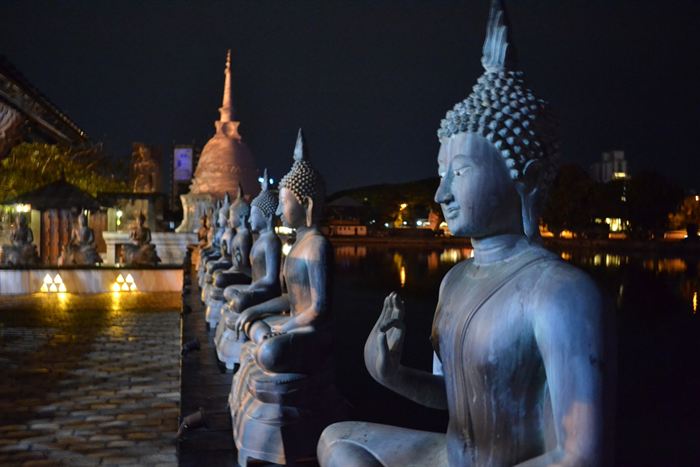
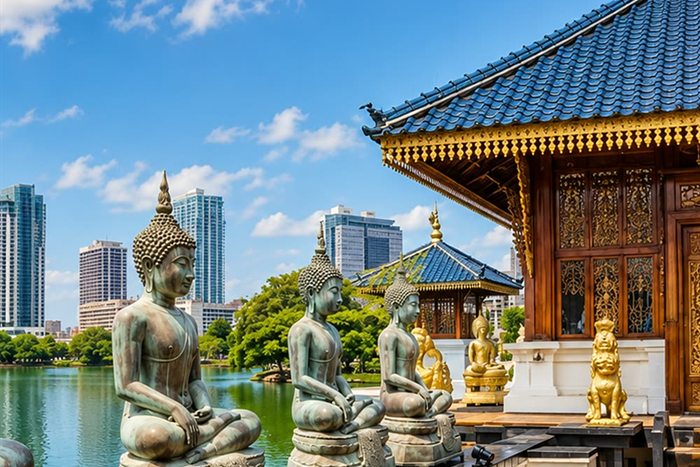
The best hours in Colombo come before the heat. Start at Beira Lake, where Gangaramaya Temple and its neighbour Seema Malaka sit side by side. Gangaramaya is less a single shrine than a gathering of halls, statues and curiosities collected over generations. Seema Malaka, a small temple set on a platform in the lake, is quieter and was redesigned by the architect Geoffrey Bawa.
Dress modestly, with shoulders and knees covered, and expect to leave your shoes at the door. Go in the first hours of the morning and you will often share the courtyard with the people who come to pray before work.
The architect’s Colombo
Geoffrey Bawa is the architect most closely tied to modern Sri Lanka, and Colombo 3 holds some of his most personal work. His former office on Alfred House Road is now The Gallery Café, which makes a natural stop for lunch and a little architectural history. His former home, Number 11, can be visited by appointment, and the Geoffrey Bawa Trust explains how to arrange it.
You do not need to know anything about architecture to enjoy it. The pleasure is in the way these buildings work with courtyards, water and shade, and it is a good lens for looking at the rest of the city.
Fort, where the colonial city still stands
Colombo Fort takes its name from the defences built by the Portuguese and Dutch, and the district keeps much of the old city’s character. The restored Dutch Hospital is now a precinct of shops and restaurants, and the old lighthouse clock tower stands nearby.
Fort is also a good place to understand how Colombo was shaped by trade. For the cultural side of the story, the National Museum of Colombo holds the largest collection in Sri Lanka, including the throne and regalia of the Kandyan kings.
Pettah, the city at full volume
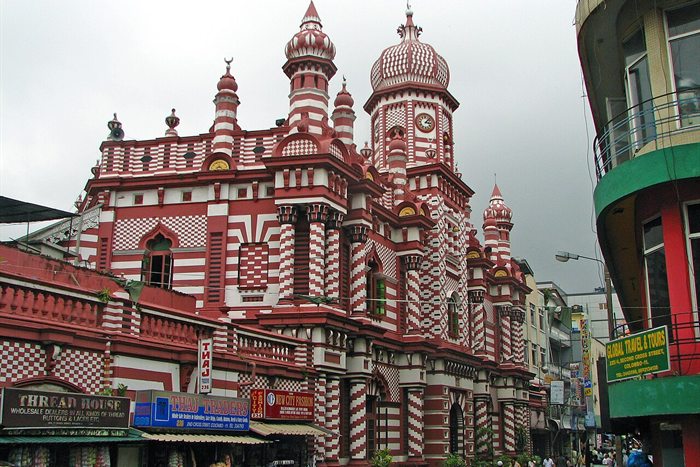
Beside Fort, Pettah is Colombo at its busiest. The streets run in trades: fabric in one, hardware in another, spices, sweets and plastic buckets somewhere in between. The red and white Jami Ul-Alfar Mosque, with its candy-striped brickwork, is the neighbourhood’s best-known landmark. Go in the morning, while the streets are still full of energy, and leave before the afternoon heat sets in. Keep your belongings close, walk slowly, and let the market set the pace.
The coastal line
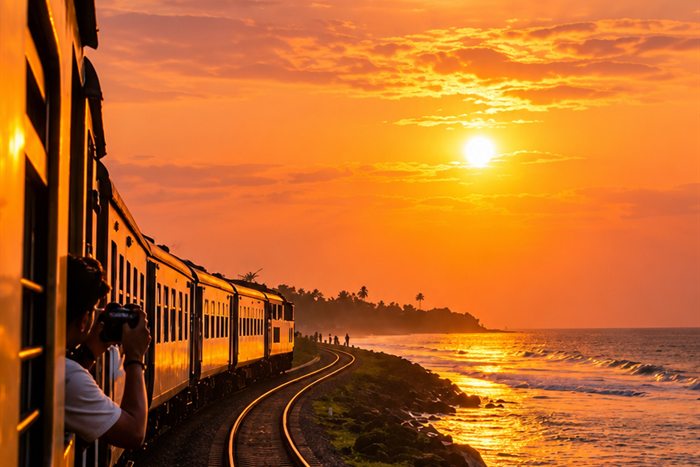
Some of the best views in Colombo come from the window of a train. The Coastal Line runs south from Colombo Fort, and Kollupitiya is among its stations. The route continues along the sea towards Mount Lavinia, Bentota and Galle. Take a daytime service, sit on the sea side, and check the current timetable with Sri Lanka Railways before you go.
Cloth, craft and the Colombo 3 shops
Colombo’s craft tradition is easiest to see in cloth. Barefoot, on Galle Road, sells colourful handloom cotton, with a gallery and a café tucked behind the shop. Paradise Road offers well-made homeware, ceramics and gifts with a distinctly Sri Lankan character. For something less polished, Pettah has fabric by the metre.
Browsing is its own kind of sightseeing here. You learn what people make, wear and use, and you come away with something that is not a fridge magnet.
Getting around
Tuk-tuks are the easiest way between neighbourhoods, and a travel app or an agreed fare before you set off avoids any confusion at the end. For a longer view of the options, including the train, see getting around Colombo. Plan the outdoor stops for the morning, since afternoon showers are common in November, and keep the late afternoon for a museum, a long lunch or the pool.
Evening on Galle Face Green
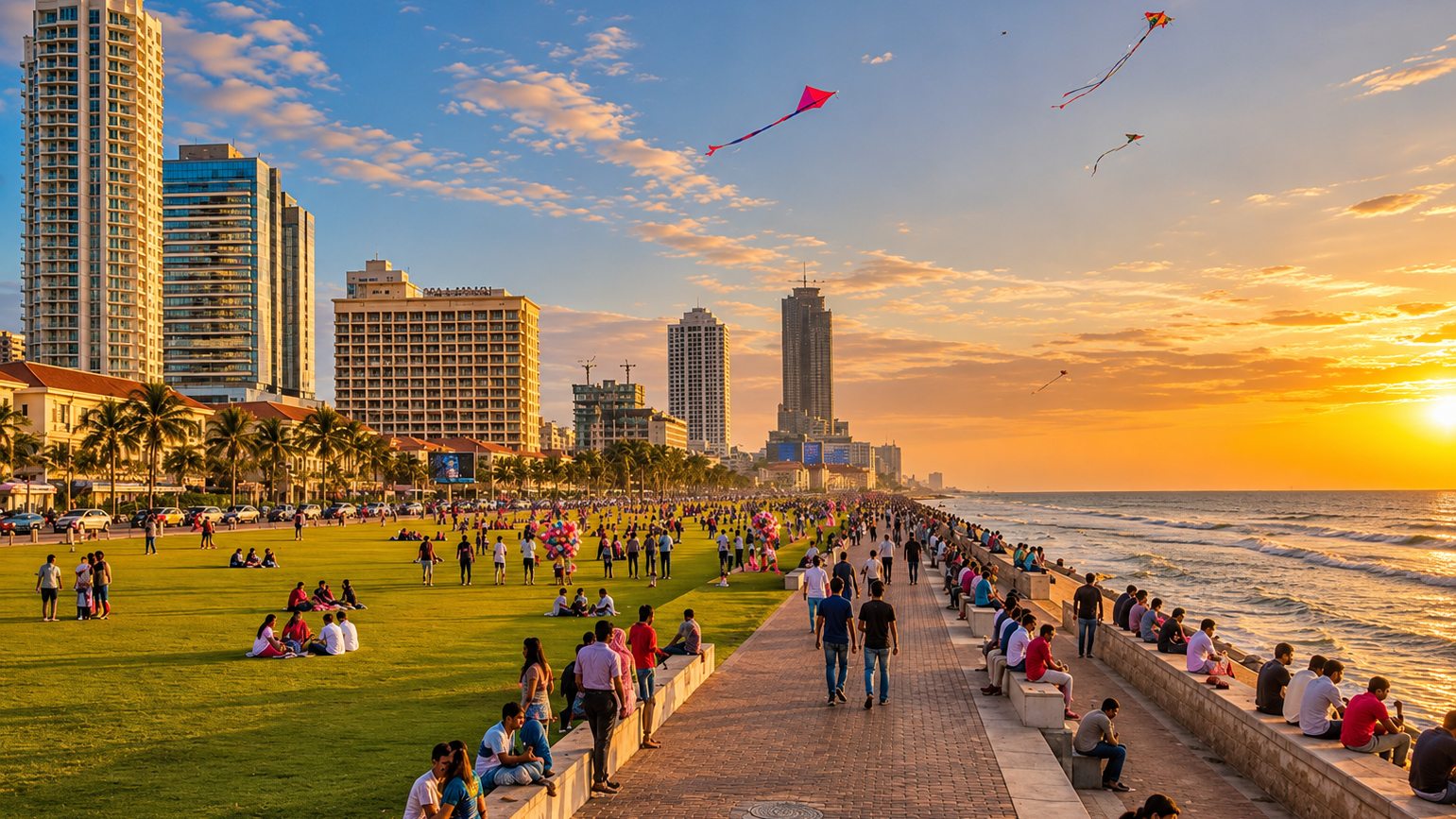
End the day where Colombo gathers. From about half past five, families, couples and kite-flyers fill the Green, and food carts line the promenade. Why you should go at sunset explains the best hour to arrive.
A base in Colombo 3
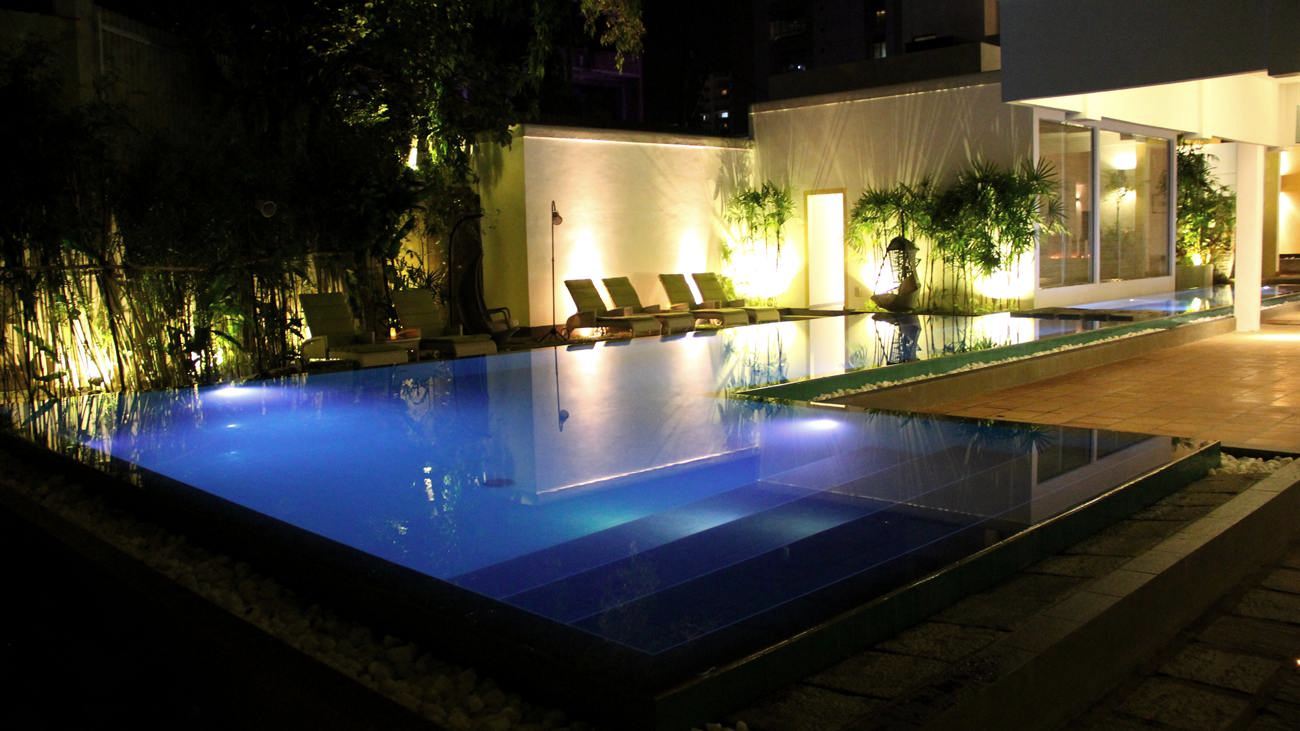
Colombo Court Hotel & Spa is a small hotel at 32 Alfred House Avenue, in the same part of Colombo 3 where Bawa once had his office. It has 31 rooms around a planted garden and pool, in a set of converted office buildings, and it was the first city hotel in South Asia to be certified CarbonNeutral®.
It is a natural place to return to between outings: a swim, The Court Spa open from 09:00 to 21:00, and Cloud Café & Bar on the roof from 17:30. The hotel’s guide to Colombo sets out two days in order, and the rooms are here.