
Colombo Court Blog Food & Drink
Sri Lankan food: a first guide to what is on the table
Rice and curry is a category, not a dish. What the regions cook, what the words mean, and the eight things to order in your first week.
Sri Lankan cooking is built on rice, coconut and spice, and it is more varied than a first plate suggests. The same curry is cooked differently in Jaffna, Galle and Kandy. The heat ranges from mild to fierce in the same kitchen. And the meal is arranged so that a little of everything, mixed by hand on the plate, tastes better than any one dish alone. Here is what you need to know to order well.
The regions
The north, around Jaffna, cooks with the flavours of southern India: tamarind, dried chilli and Jaffna curry powder, roasted dark. The south is fishing country; its signature is ambul thiyal, tuna cooked dry with goraka, a sour fruit paste, until it keeps for days. The hill country around Kandy and Matale grows the spices themselves: cloves, cardamom, nutmeg, pepper and cinnamon, the true Ceylon kind. The east, with its Sinhala, Tamil and Muslim communities side by side, is where the best biryani and the best crab are found.
The words
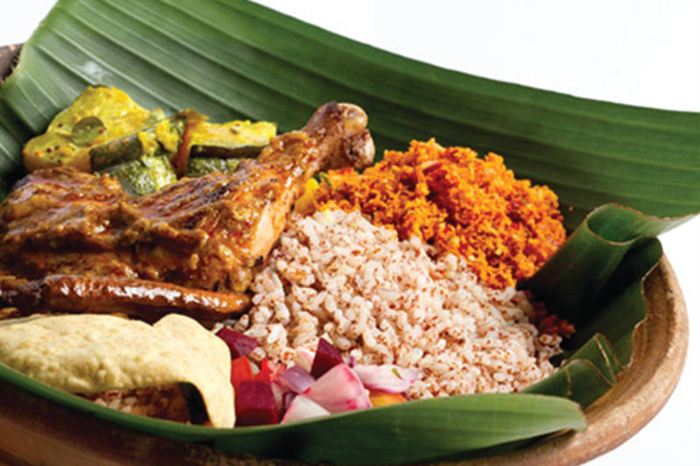
Curry covers everything cooked in gravy, from lentils to seafood. A sambol is a fresh relish, usually coconut or onion with chilli and lime. A mallum is finely shredded greens tossed with coconut. Hodi is the thin coconut gravy poured over everything. Achcharu is pickle. A proper rice and curry has one meat or fish, two or three vegetables, a dhal, a sambol, a mallum and something crisp.
Eight things to order
Kiribath. Rice cooked in coconut milk and cut into diamonds, eaten at New Year and on any morning that matters, with a hot onion sambol.
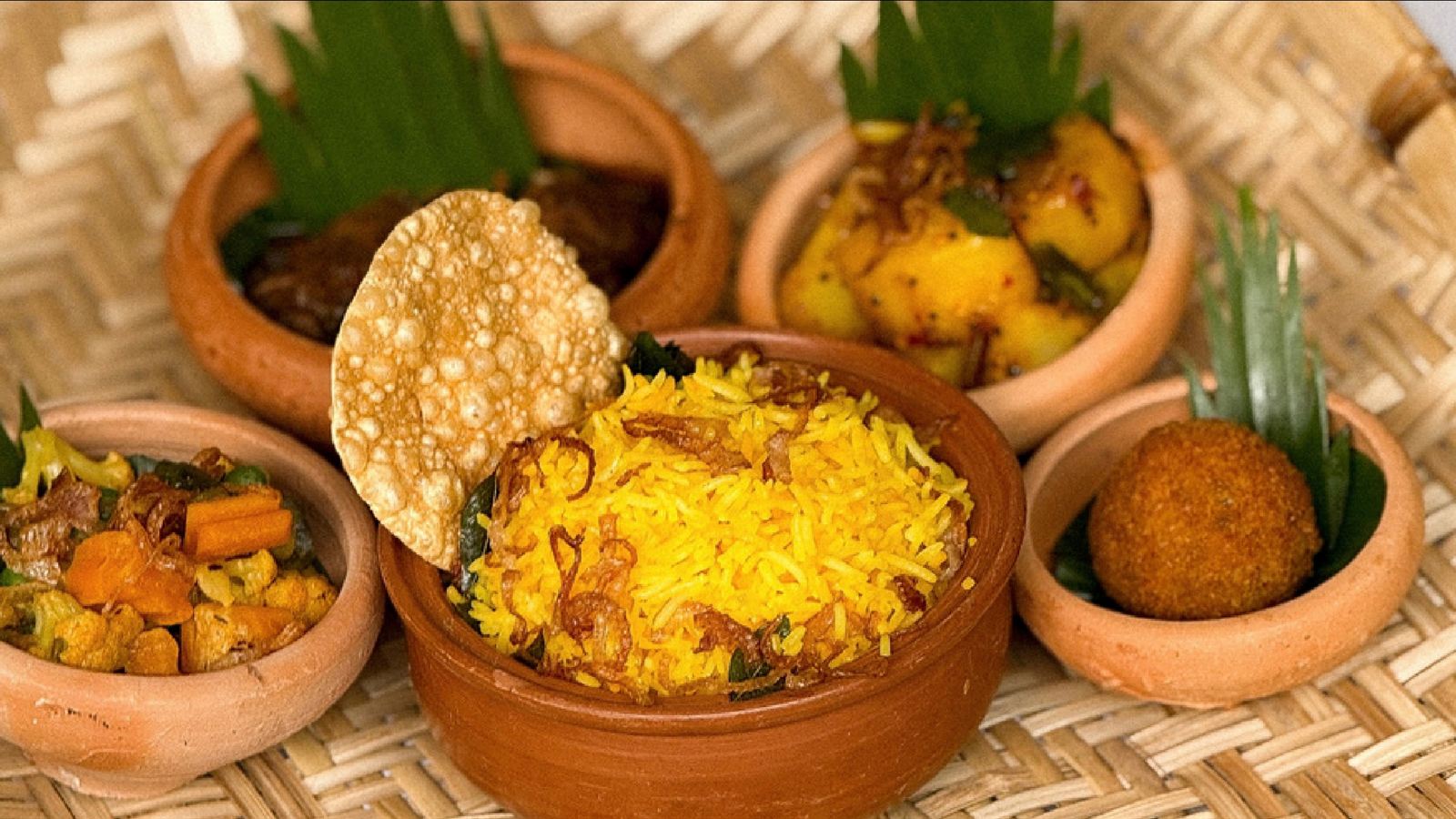
Rice and curry. The daily meal. Ask for it “Sri Lankan style” and eat with your right hand if you are willing; it genuinely tastes different.
String hoppers. Nests of thin rice noodles, steamed, served at breakfast and dinner with dhal, a thin curry and a sambol.
Egg hoppers. A bowl-shaped rice-flour pancake, crisp at the edges, with an egg cooked in the base. The best breakfast on the island.
Pol roti. Flatbread with grated coconut, cooked on a griddle. Good with chilli sambol, better with treacle.
Kottu. Roti chopped on a hot plate with vegetables, egg or meat and a great deal of noise. Colombo’s late-night dish; you will hear it before you see it.
Crab curry. Lagoon crab in a thick, dark, peppery gravy. Order it once, with a bib.
Curd and treacle. Buffalo-milk curd in a clay pot with kithul palm treacle. The dessert that ends most meals, and the one guests ask us to find for them again.
Where to start
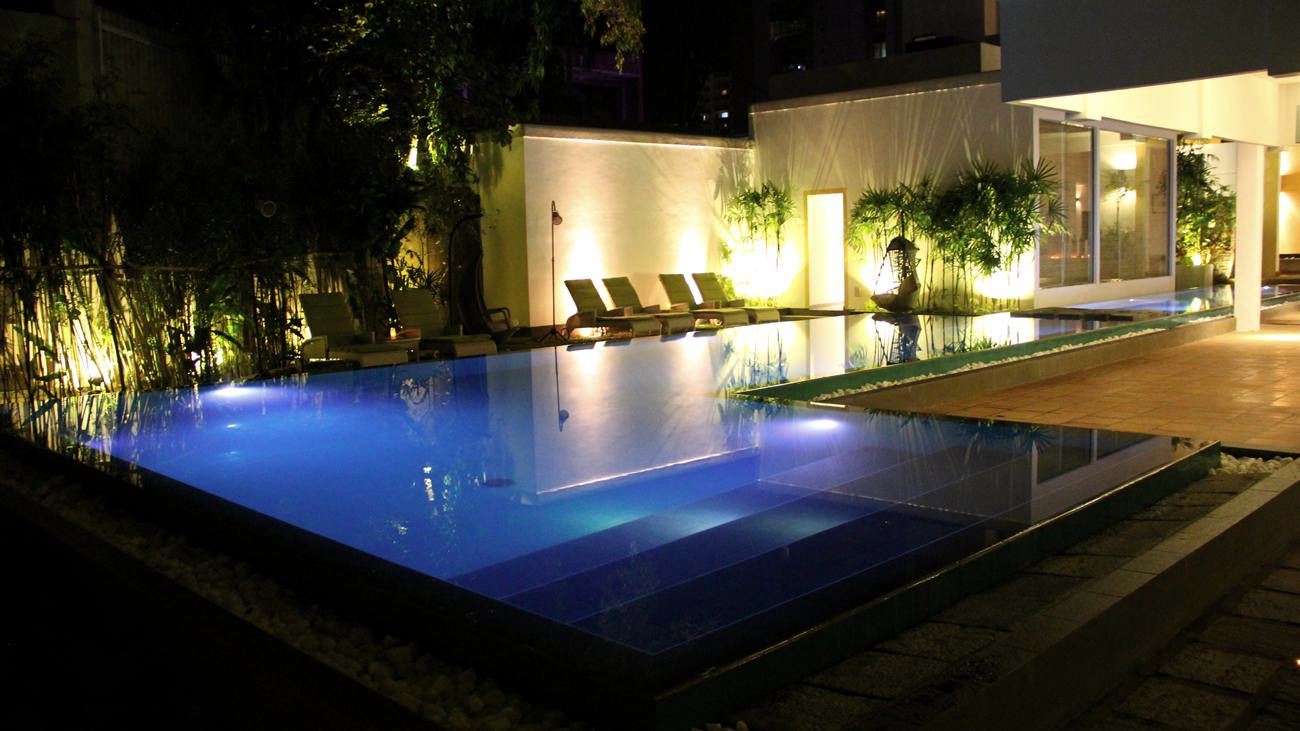
Amber Poolside cooks Sri Lankan dishes all day, and the breakfast is the gentlest introduction. For the city beyond the gate, where to eat in Colombo 3 is our honest list.