
Colombo Court Blog Colombo
Avurudu: the Sinhala and Tamil New Year, explained for visitors
Every April the whole country stops for the New Year. What the rituals mean, what to eat, and why Colombo goes quiet for two days.
If you are in Sri Lanka around 13 and 14 April, you will notice the country changing gear. Shops fill and then empty, the roads out of Colombo clog with families heading to their villages, and the city itself goes unusually quiet. This is Avurudu, the Sinhala and Tamil New Year, and it is the most widely shared festival on the island, celebrated by Buddhists and Hindus alike.
What it marks
Avurudu falls at the moment the sun moves from Pisces into Aries, which astrologers fix to the minute each year. The days before it are for preparation: houses are cleaned and often repainted, new clothes are bought, and the kitchens start on the sweets. The old year ends and the new one begins with a gap between them, the nonagathaya, a neutral time when work stops and families visit the temple.
The rituals, in order
At the auspicious hour the hearth is lit, usually by the woman of the house facing a prescribed direction, and a pot of milk is boiled until it froths over, a sign of plenty for the year ahead. The first meal follows, always with kiribath, milk rice, cut into diamonds. Then come the first transactions: children offer betel leaves to their elders and receive a blessing and a little money in return. The next morning the head is anointed with herbal oil for health, and after that the games begin, on the streets and the beaches, with tug-of-war, pillow fights on a pole and a great deal of noise.
What to eat
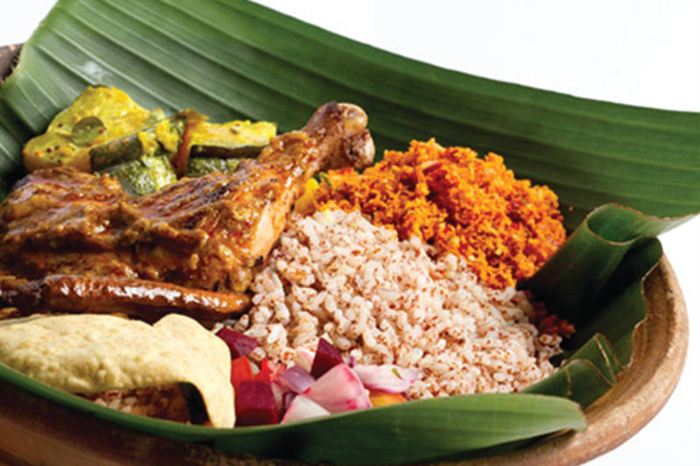
Kiribath with a fierce onion sambol is the start. The sweets are the point: kokis, crisp and flower-shaped; kavum, the oil cake; aluwa, a milky fudge; and aasmi, a lacy fried batter. Every household has its own table of them and every visitor is expected to eat from it.
If you are staying with us
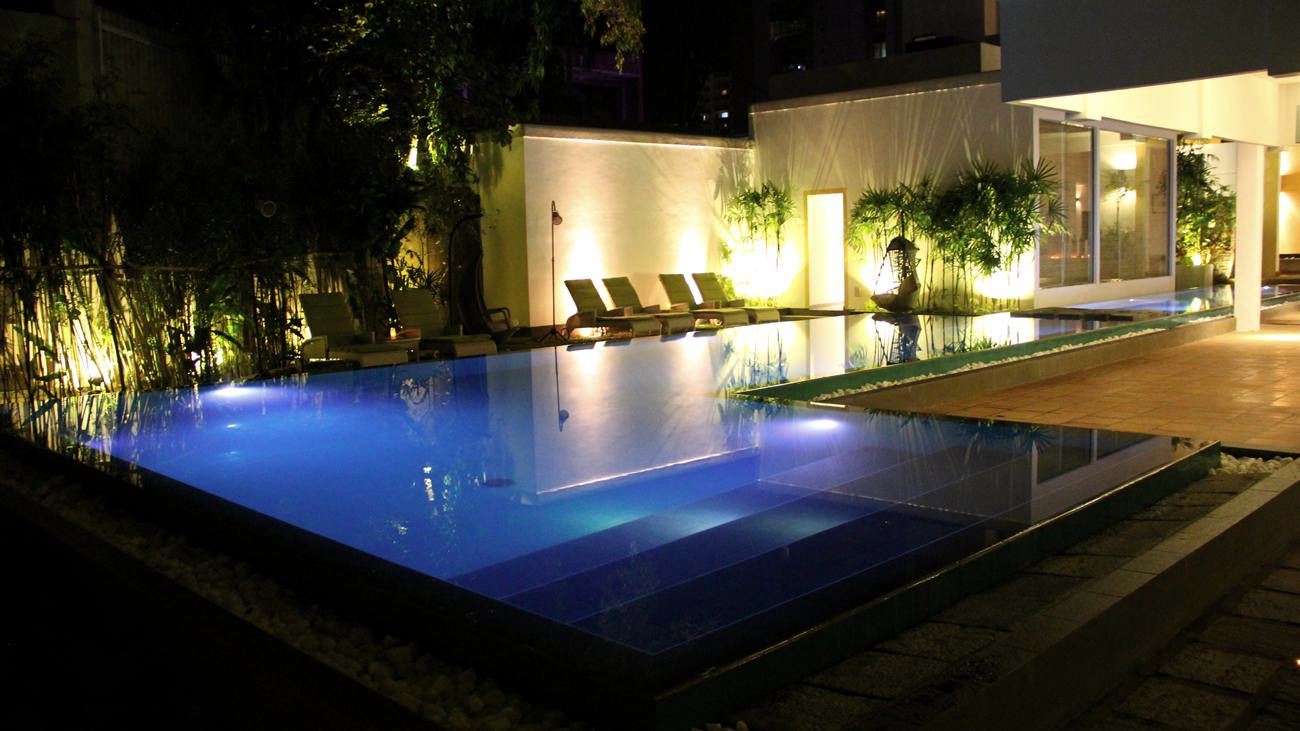
We boil the milk at the auspicious time each year, and Amber Poolside serves kiribath and the sweets over the holiday. The city is quiet for two days and many restaurants close, so it is a good moment to enjoy the garden, and a good excuse for a longer breakfast.