

Colombo Court Blog Food & Drink
The Ingredients That Make Sri Lankan Food Unique
Coconut, cinnamon, curry leaves and kithul treacle: the ingredients behind the taste of Sri Lankan food, and where to taste them in Colombo.
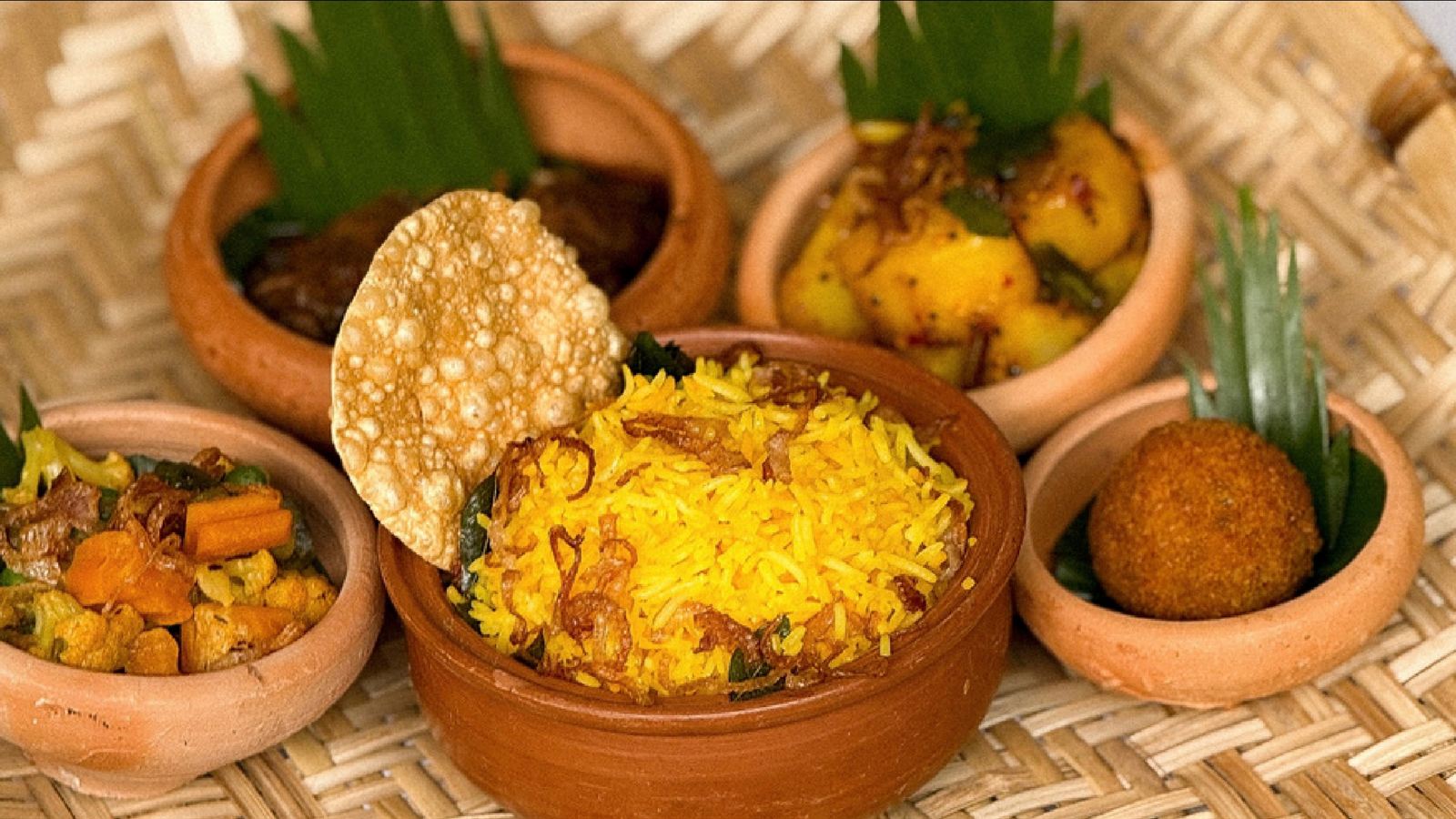
At first glance, a Sri Lankan meal may appear deceptively simple: a mound of rice accompanied by an assortment of curries and vegetables. But beneath this humble presentation lies a world of flavour. Each dish is layered with aromatic spices, rich textures and subtle smokiness, drawing on a handful of ingredients that have shaped the island’s culinary traditions for centuries.
Coconut, in every form
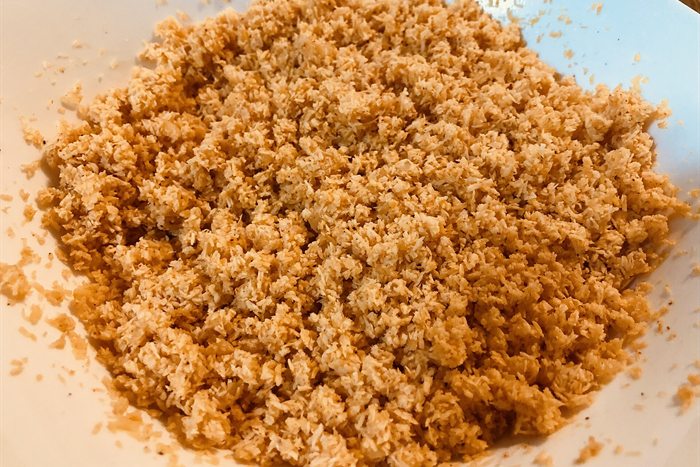
If one ingredient defines Sri Lankan cooking, it is the coconut. The flesh is scraped fresh for sambols, the milk is stirred into curries to make them rich, and the oil is used for frying. The thick first milk and the thinner second milk are used at different points in a recipe, which is one reason a Sri Lankan curry has such depth.
The best-known result is pol sambol, scraped coconut pounded with chilli, onion and lime. It is eaten with almost everything, from hoppers at breakfast to rice at lunch.
Cinnamon, the island’s own
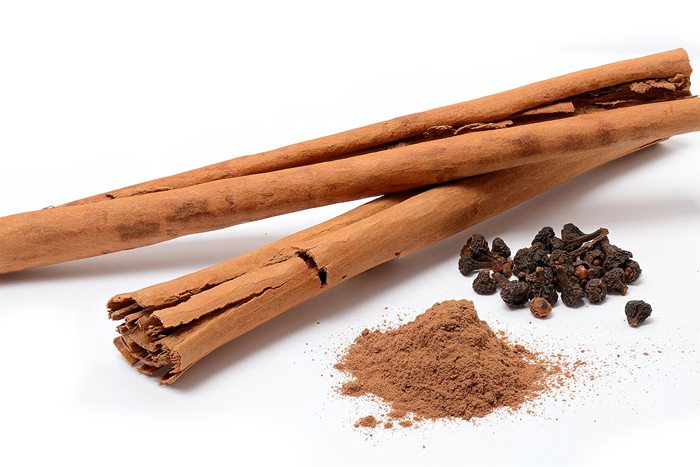
Sri Lanka is the native home of true cinnamon, known as Ceylon cinnamon, and the island remains its main source. The quills are thinner, paler and softer than the common cassia sold elsewhere, with a sweeter, more delicate flavour. In the kitchen it goes into curries, rice and milk-rice dishes. It is also made into oil, tea and sweets.
The market streets of Pettah are the best place in the city to see spices in quantity, and a guide to Colombo beyond the usual tourist attractions explains how to visit.
Curry leaves, pandan and lemongrass
Almost every Sri Lankan dish starts the same way, with something fragrant hitting hot oil. Curry leaves, known locally as karapincha, are fried with mustard seed and onion to begin a curry or finish a dhal. Rampe, the long green leaf of the pandan plant, is added to rice and curries for a sweet, grassy scent, and lemongrass does a similar job.
You will smell this before you taste it. It is the scent that comes out of the kitchen at lunchtime.
Roasted curry powder and chilli
Sri Lankan curry powder is often roasted until it turns dark, which gives it a toasty, deeper note than an unroasted blend. Chilli provides the heat, and a good table will have it at several levels. If you are not used to spice, ask for a milder version and add the sambol yourself.
Treacle from the kithul palm
Sweetness in Sri Lankan food comes from the palm. Kithul treacle, a dark syrup tapped from the sap of the kithul palm, is poured over curd, spooned over pancakes and used in desserts. Jaggery, its solid form, sweetens watalappan, the steamed coconut custard that appears on most festive tables.
Pair a spoonful of curd and treacle with a cup of tea, and you have understood the island’s idea of dessert. A short guide to Ceylon tea explains what to order.
How it comes together on a plate
A rice and curry is built from these ingredients in a balance. There is usually a lentil dhal, a fish or meat curry, two or three vegetable dishes, a sambol for freshness and a crisp papadam for texture. Each dish uses the building blocks in different proportions, which is why a table of small bowls can taste so varied while sharing so much.
Take a little of each, mix as you go, and return to the dishes you like best.
Where to taste it in Colombo 3
The easiest way to taste all of this together is rice and curry, and Sri Lankan food: a first guide explains how the table works. For the morning version, a Sri Lankan breakfast, explained covers hoppers, string hoppers and kiribath.
At Colombo Court Hotel & Spa, Amber Poolside serves a Sri Lankan breakfast from 07:00. Its menu brings together Sri Lankan, Indian, Chinese and Western favourites, and high tea is served at 15:30. The restaurant is open to non-residents, and the full menu is on the Eat & Drink page.

To plan a table, message the team on WhatsApp at +94 76 668 0971. For more on visiting the island, the Sri Lanka Tourism Development Authority has a useful overview.